
 Web Design
 Construction Websites
 Flooring Website Design
 Lawn Care Web Design
 Realtor Web Design
 Restaurant Web Design
 WooCommerce Web Design
 WordPress Web Design
 Marketing
 Google Ads Marketing
 Google My Business
 Facebook Marketing
 Instagram Marketing
 (SEO) Marketing
 Lead Generation
 Other Services
 Logo Design
 Print Design
 Web Hosting
 Blog & News
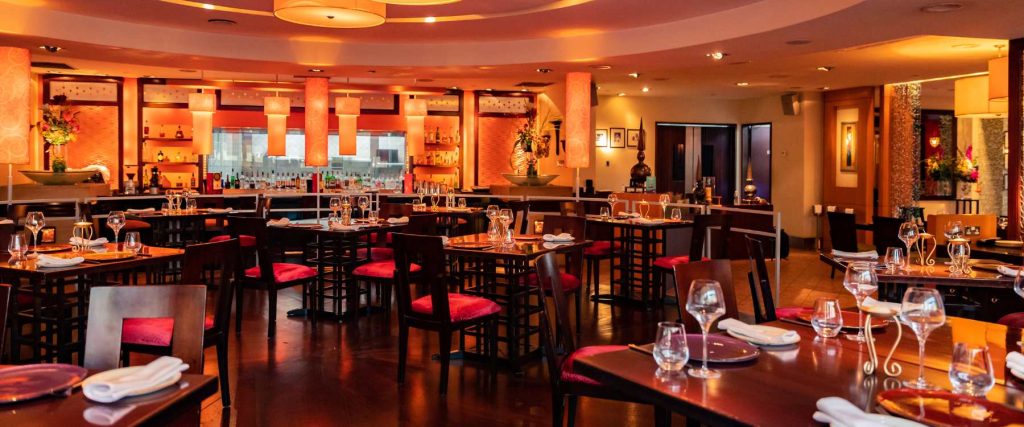
In today’s digital age, a restaurant’s website is as crucial as its menu. It serves as the first impression for potential customers, a virtual storefront showcasing your brand, cuisine, and ambiance. Designing a website tailored to the needs of a restaurant business requires a thoughtful blend of aesthetics, functionality, and user experience. Here’s how to create a winning web design for your restaurant.
The Essentials of Restaurant Web Design
1. Visually Appealing Design
Your website should reflect the personality of your restaurant. A fine-dining establishment might opt for elegant typography and a minimalist layout, while a casual eatery could embrace bold colors and playful graphics. High-quality images of your dishes, dining space, and staff add a personal and inviting touch.
2. Mobile-Friendly Experience
With most users accessing websites through mobile devices, responsive design is non-negotiable. Ensure your site is mobile-friendly, with easy navigation, fast-loading pages, and a layout that adapts seamlessly to different screen sizes.
3. Easy Navigation
Your website visitors are likely looking for specific information: your menu, location, hours, and contact details. Ensure these elements are prominently displayed and accessible within one or two clicks. Intuitive navigation creates a user-friendly experience that keeps customers coming back.
4. Online Menu and Ordering
A digital menu is essential. Present your dishes in an organized, visually appealing manner, with clear pricing and descriptions. If you offer takeout or delivery, integrate an online ordering system for convenience. Avoid PDFs, as they can be challenging to view on mobile devices.
5. Engaging Content
Beyond menus, consider including:
- About Us Page: Share your restaurant’s story, philosophy, and team.
- Event Listings: Highlight upcoming promotions, events, or live music nights.
- Testimonials and Reviews: Showcase positive customer feedback to build trust.
6. SEO Optimization
Use relevant keywords to help potential customers find your website on search engines. Incorporate local SEO practices, such as optimizing for phrases like “Italian restaurant near me” or “best brunch in [City Name].”
7. Integration with Social Media
Embed links to your social media profiles and encourage visitors to follow you. Social media platforms are excellent tools for promoting daily specials, events, and engaging with your audience.
8. Reservation System
If your restaurant takes reservations, integrate an easy-to-use booking system. Customers appreciate the ability to secure a table with just a few clicks.
9. Accessibility Features
Ensure your website complies with accessibility standards. Use alt text for images, provide text resizing options, and design with color contrast in mind to accommodate all users.
Bonus Features for a Memorable Website
- Blog Section: Share recipes, behind-the-scenes stories, or tips related to your cuisine.
- Virtual Tour: Offer a 360-degree tour of your dining area to entice visitors.
- Loyalty Programs: Include a section for customers to sign up for exclusive offers and discounts.
Conclusion
A well-designed website can significantly boost your restaurant’s visibility, customer engagement, and revenue. By focusing on design, functionality, and user experience, you create an online presence that reflects your restaurant’s unique identity and leaves a lasting impression on visitors. Invest in professional web design today and watch your restaurant thrive in the digital world.
 Web Design
 Marketing
 Portfolio
 Industries
 Services
 Google Ads Marketing
 Print Design Services