
 Web Design
 Construction Websites
 Flooring Website Design
 Lawn Care Web Design
 Realtor Web Design
 Restaurant Web Design
 WooCommerce Web Design
 WordPress Web Design
 Marketing
 Google Ads Marketing
 Google My Business
 Facebook Marketing
 Instagram Marketing
 (SEO) Marketing
 Lead Generation
 Other Services
 Logo Design
 Print Design
 Web Hosting
 Blog & News
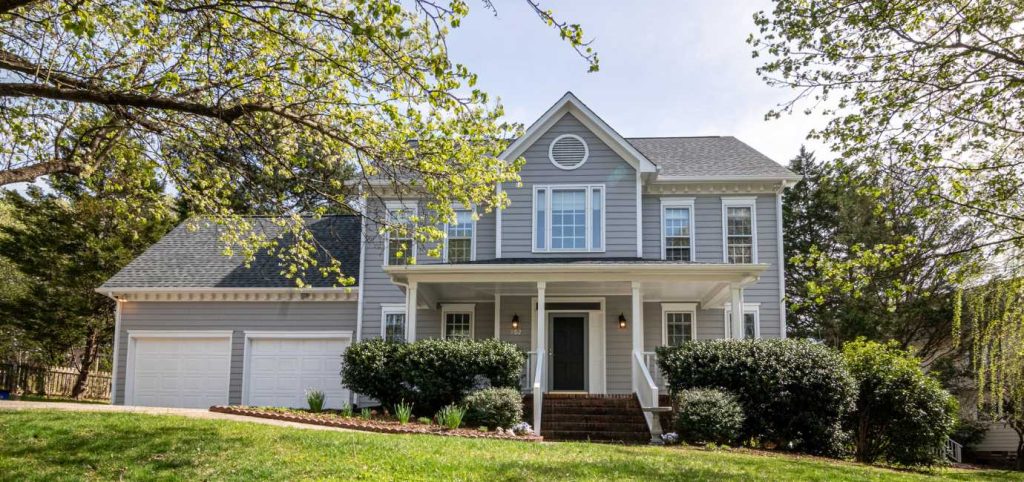
In today’s digital age, a strong online presence is no longer optional for real estate professionals. As a realtor, your website is your virtual storefront, open 24/7 to showcase your listings, share your expertise, and connect with potential clients. A well-designed real estate website can be the difference between standing out or being overlooked in a competitive market.
This guide explores the key elements of successful real estate web design and how it can help grow your business.
1. Why a Professional Website Matters for Realtors
Your website is often the first impression potential clients have of you. A professional, user-friendly site builds trust, establishes credibility, and makes it easier for buyers and sellers to connect with you. With the majority of homebuyers starting their search online, a strong digital presence is a powerful tool in your arsenal.
2. Essential Features for Real Estate Websites
To attract and engage clients, your real estate website should include the following:
a. MLS Integration
Integrating with the Multiple Listing Service (MLS) ensures your site always displays up-to-date listings. This feature allows users to browse properties seamlessly and find exactly what they’re looking for.
b. Advanced Search Functionality
Buyers appreciate the ability to search for properties by location, price range, number of bedrooms, and other criteria. An intuitive search tool improves the user experience and keeps visitors on your site longer.
c. Mobile Responsiveness
With more than half of web traffic coming from mobile devices, it’s essential that your website looks great and functions well on smartphones and tablets.
d. High-Quality Images and Virtual Tours
Real estate is a visual industry. Showcase your listings with professional-quality images and virtual tours to give potential buyers an immersive experience from the comfort of their homes.
e. Lead Capture Forms
Contact forms, newsletter sign-ups, and property inquiry forms are vital for capturing leads. Make it easy for visitors to reach out to you.
f. Neighborhood Information
Include details about local schools, amenities, and attractions. This not only adds value to your site but also positions you as an expert in the area.
g. Client Testimonials
Showcase reviews from satisfied clients to build trust and credibility with new visitors.
3. Design Tips for Real Estate Websites
a. Keep It Simple and Clean
A clutter-free design ensures visitors can easily navigate your site. Use plenty of white space and stick to a cohesive color scheme that reflects your branding.
b. Highlight Your Branding
Your website should reflect your personal or agency brand. Incorporate your logo, tagline, and unique selling proposition to make your site memorable.
c. Optimize for Speed
Slow-loading websites can drive visitors away. Optimize your images and use fast, reliable hosting to ensure your site loads quickly.
d. Use Call-to-Actions (CTAs)
Encourage visitors to take action with clear CTAs, such as “Schedule a Viewing,” “Get a Free Home Valuation,” or “Contact Us Today.”
4. SEO for Real Estate Websites
Search Engine Optimization (SEO) ensures your website ranks highly on search engines like Google. Key strategies include:
- Keyword Optimization: Use terms like “real estate in [city],” “buy homes in [neighborhood],” or “sell property in [region]” in your content.
- Local SEO: Claim your Google Business Profile and include your address and service area on your website.
- Regular Content Updates: Blog about market trends, home-buying tips, and local events to keep your site fresh and relevant.
5. Marketing Your Real Estate Website
A great website is only effective if people visit it. Promote your site through:
- Social Media: Share your listings and blog posts on platforms like Facebook, Instagram, and LinkedIn.
- Email Marketing: Send newsletters to your client base with featured properties and updates.
- Google Ads: Invest in targeted ads to reach potential clients searching for real estate services in your area.
6. Hiring a Professional Web Designer
While DIY website builders can be tempting, working with a professional web designer ensures your site is tailored to your needs and optimized for success. A skilled designer can:
- Integrate advanced features like MLS and virtual tours.
- Ensure your site is mobile-friendly and visually appealing.
- Help with SEO and marketing strategies.
Conclusion
In the competitive world of real estate, a professionally designed website is a powerful tool to attract clients, showcase properties, and grow your business. By including essential features, optimizing for user experience, and leveraging digital marketing strategies, you can create a site that sets you apart from the competition.
Ready to elevate your real estate business? Let us help you design a website that turns visitors into clients and properties into sales. Contact us today!
 Web Design
 Marketing
 Portfolio
 Industries
 Services
 Google Ads Marketing
 Print Design Services